
Fix It in Post? Here’s What That Really Means (And Why It’s Not Magic)
A reality check from the editors who hear this phrase way too often…
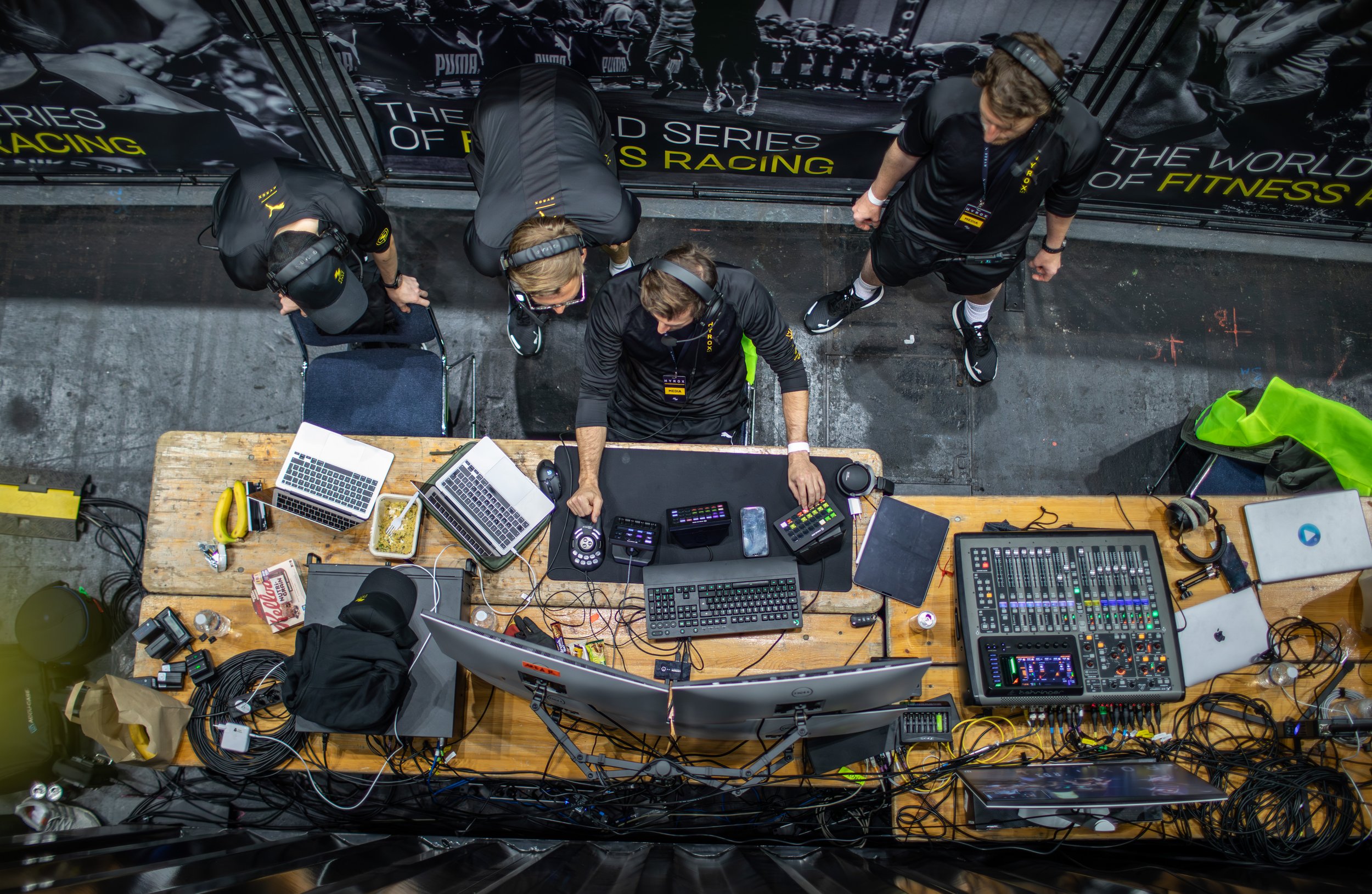
“Don’t worry — we’ll fix it in post.”
The five words that can turn a smooth production day into a timeline-breaking, coffee-fuelled editing marathon.
At Distort Films, we love post-production. It’s where stories sharpen, colours sing, and projects come to life. But here’s the truth: post isn’t magic — it’s craftsmanship. And when something should have been handled on set, “fixing it in post” can quickly become “patching a hole in the Titanic with duct tape.”
Let’s break down what the phrase actually means… and what it absolutely does not.
What “Fix It in Post” Actually Means
When used correctly, it refers to adjustments that are meant to happen in post:
✔ Colour grading
Enhancing mood, tone, brand aesthetic.
Not “make it look less like it was shot in a dark cave.”
✔ Sound design & mixing
Balancing dialogue, adding ambience, smoothing transitions.
Not “remove the lawnmower, ambulance, and dog barking from the same sentence.”
✔ Polishing pacing
Tightening the narrative and finding the rhythm.
Not “build an engaging story out of chaos.”
✔ Small visual fixes
Mask cleanup, stabilisation, removing the odd light stand.
Not “erase a Land Rover from every frame because the client parked in shot.”
Used right, post is powerful.
But it’s not a superpower.
What “Fix It in Post” Does Not Mean
✖ A cure for bad lighting
If the subject is in full silhouette (and shouldn’t be), no LUT is saving that.
✖ Replacing missing shots
We’re editors — not time travellers.
✖ Correcting major production mistakes
Wrong location, incorrect framing, missing audio…
These aren’t “fixes”, they’re “should never have happened.”
✖ Turning shaky handheld chaos into a dolly shot
We’ll stabilise it — sure.
But not into a Christopher Nolan IMAX glide.
✖ Making clients change their mind about creative decisions
If you didn’t want the neon pink background, maybe say that before shooting eight hours against it.
Why It Matters: The Ripple Effect
Every “fix it in post” request has consequences:
More hours in the edit
More revisions than planned
More cost (because time is money — even in Premiere)
Less polish than if it were done correctly on set
More frustration for everyone, especially when the outcome still can’t match the unrealistic expectation
Good pre-production and good shooting = good post.
How to Avoid the Fix-It-in-Post Spiral
1. Nail it on set
Lighting, audio, blocking, continuity — the basics matter.
2. Plan properly
Shot lists, storyboards, references, clear briefs.
“Vibes only” isn’t a production strategy.
3. Speak up
If something looks off during the shoot, say it then — not when the edit lands.
4. Trust your crew
We flag issues for a reason: prevention > cure.
5. Allow time for post (realistically)
Rushing never creates quality. Ever.
The Distort Films Approach
At Distort, we’re known for our punchy edits and bold visuals — but that’s only possible because we get it right before the timeline even opens.
We light properly.
We record clean audio.
We shoot with intention.
And yes, our post team is insane — but we don’t abuse them.
“Fix it in post” shouldn’t be a plan.
It should be a last resort.
The Bottom Line
Post-production enhances — it doesn’t perform miracles.
When production and post work together, the result is cinematic, clean and undeniably Distort.
When they don’t?
You end up paying someone to rotoscope a coffee cup out of 120 shots because nobody noticed it on set.
Let’s keep post as it’s meant to be:
creative, intentional, and the place where good footage becomes great film.